
Do a cardboard project, they said, it would be fun… they said.
Picture it: 2024 in a Miami school.
It was the second year of teaching Advanced Academics/ Gifted Students, and to ensure that the curriculum was robust, new ideas had to be generated for the students. Some would be new, and others would be on their second round in class. What do you do with 45 middle schoolers who are brilliant and bored in a gifted class where the state’s curriculum is subpar at best? You make your own project.
As I racked my brains thinking what new topic I could do with the students, I noticed the ridiculous amount of cardboard wasted from the school breakfast programs and the lunch programs. Then the “eureka moment” resonated – the intersectionality of science, technology, engineering and creativity all in one go with a sustainability component: CARDBOARD. Though a year later, this cardboard project was one of the biggest projects I had ever done with the students and challenged me as an educator.
I was so naïve in the beginning, and learned the hard way that this was a brilliant yet challenging avenue to explore without research, guidance, explaining expectations, and patience. I soon realized that middle schoolers left to their own whim, would just draw 2D art on the cardboard and cut them out, which would defeat the entire purpose. I learned quickly and put a few stipulations:
- the work had to have a three dimensional feel
- the engineering component entailed having one moving component
- creativity was a must
- and the cardboard object was not to only be glued or pasted together; rather different techniques of folding, connecting and joining had to be implemented.
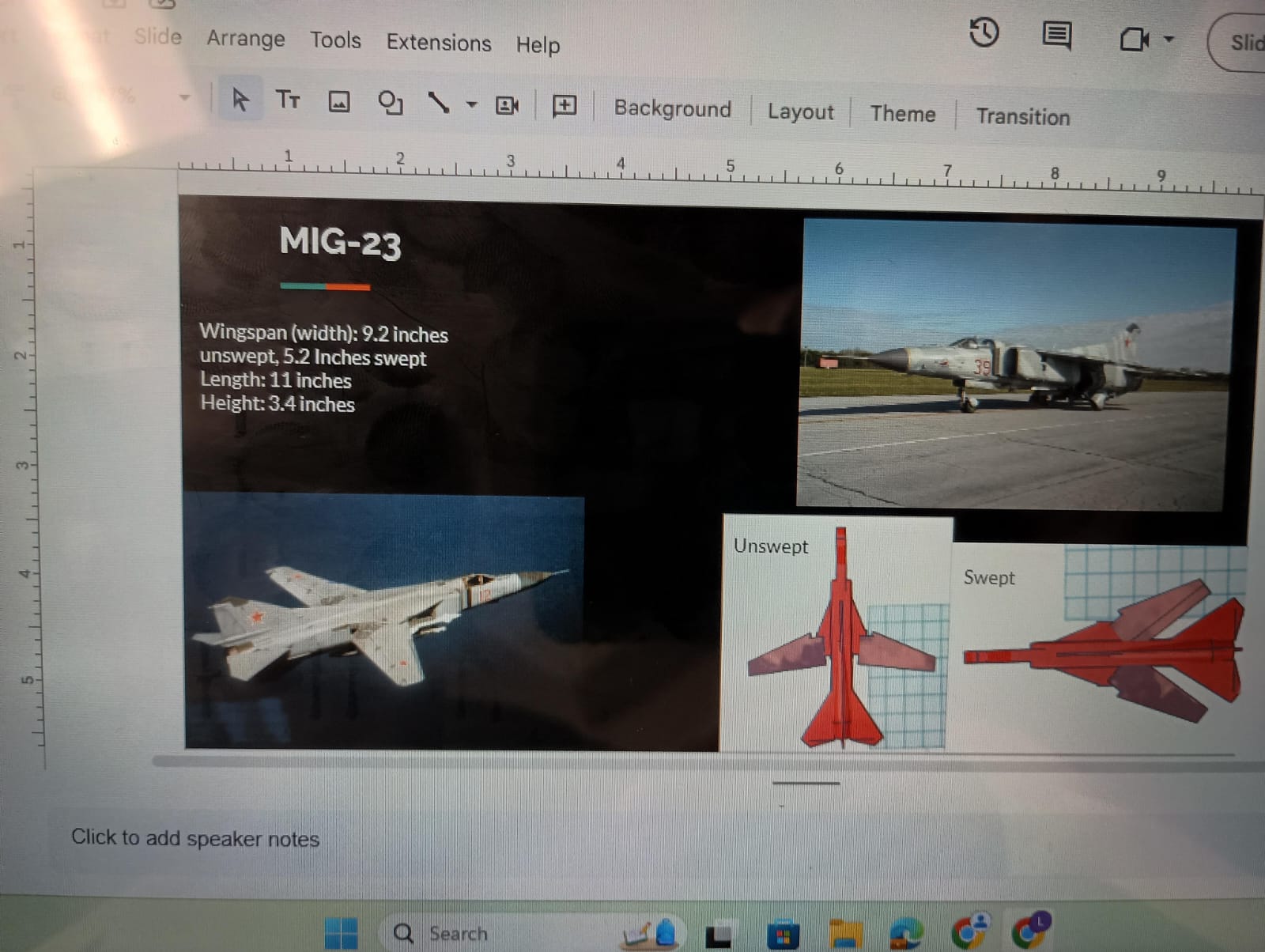
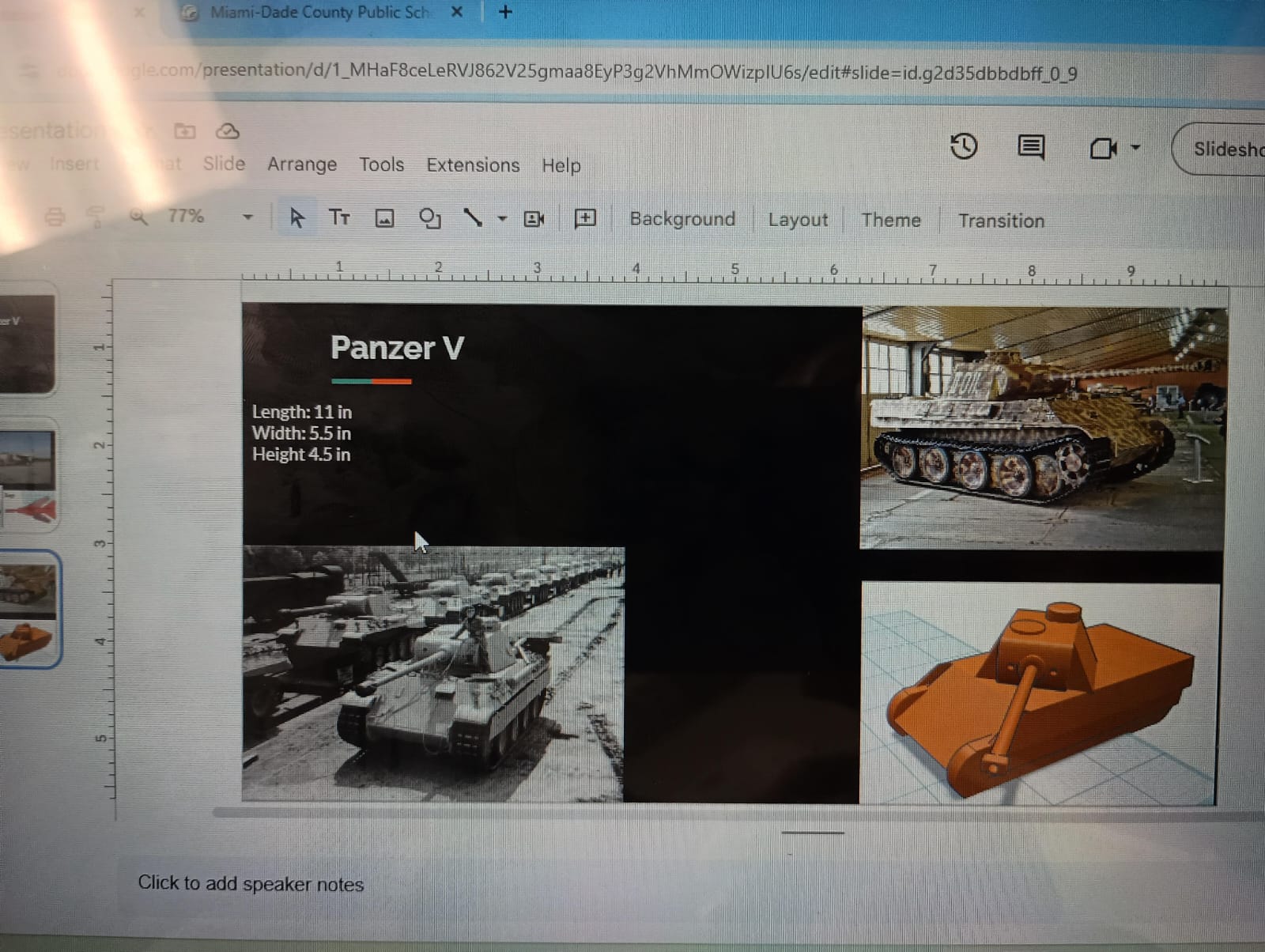
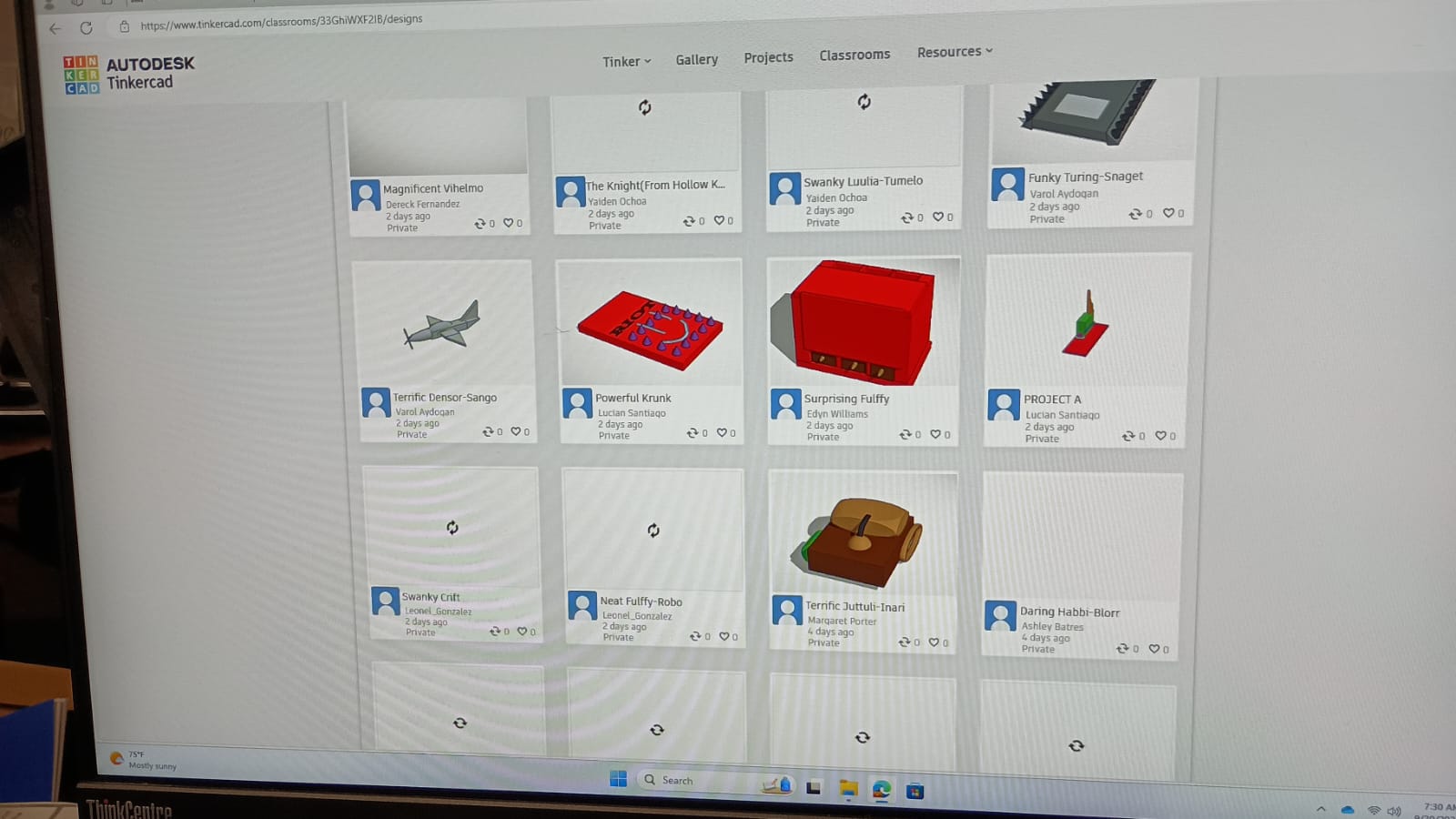
The first part of doing this project was to have 3D models of their concepts through TinkerCad. As explained in class, like any idea that will take time, modeling the concept would be an ideal way to plan without wasting resources.
The second round was making paper prototypes of the work.
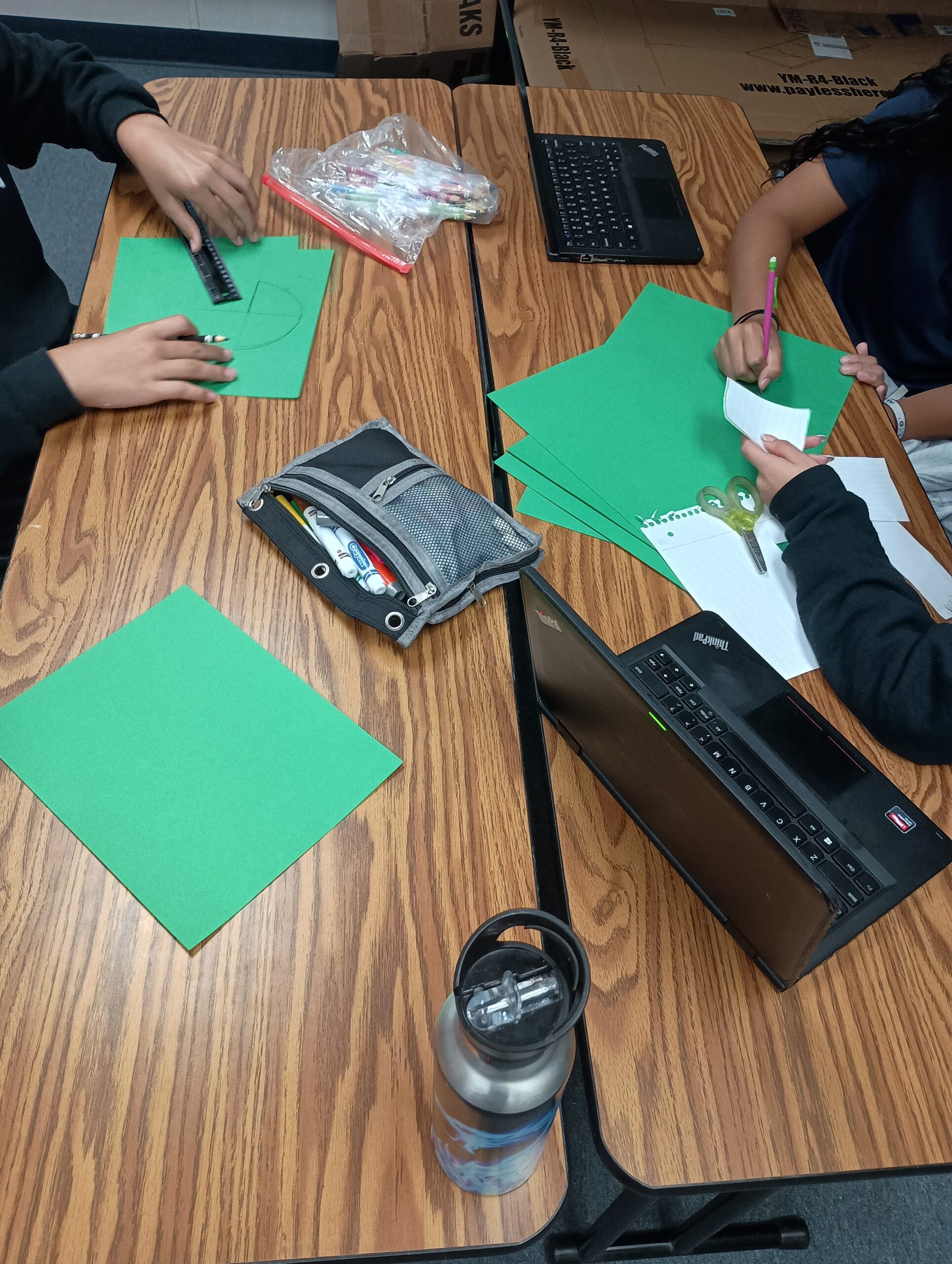
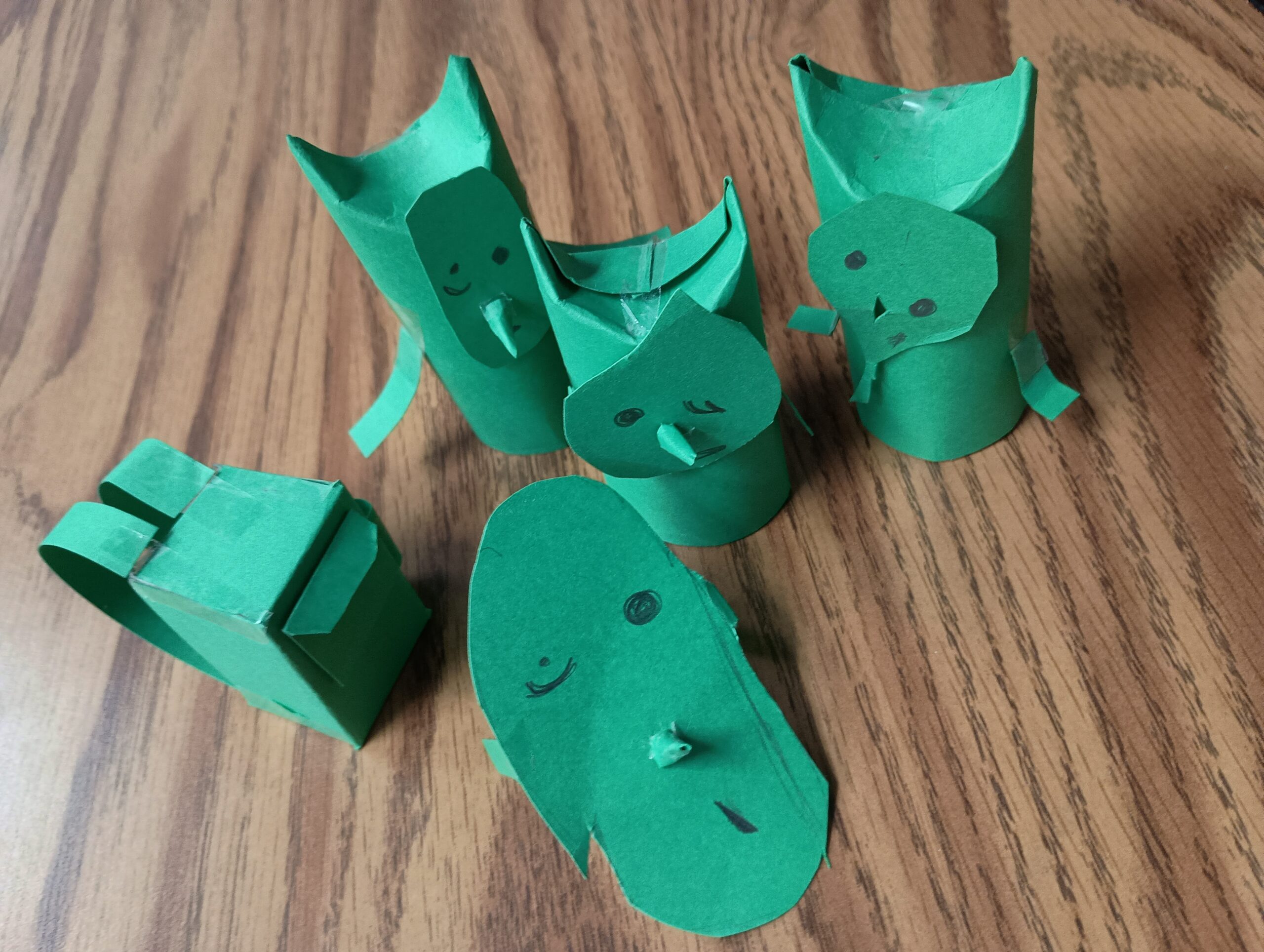
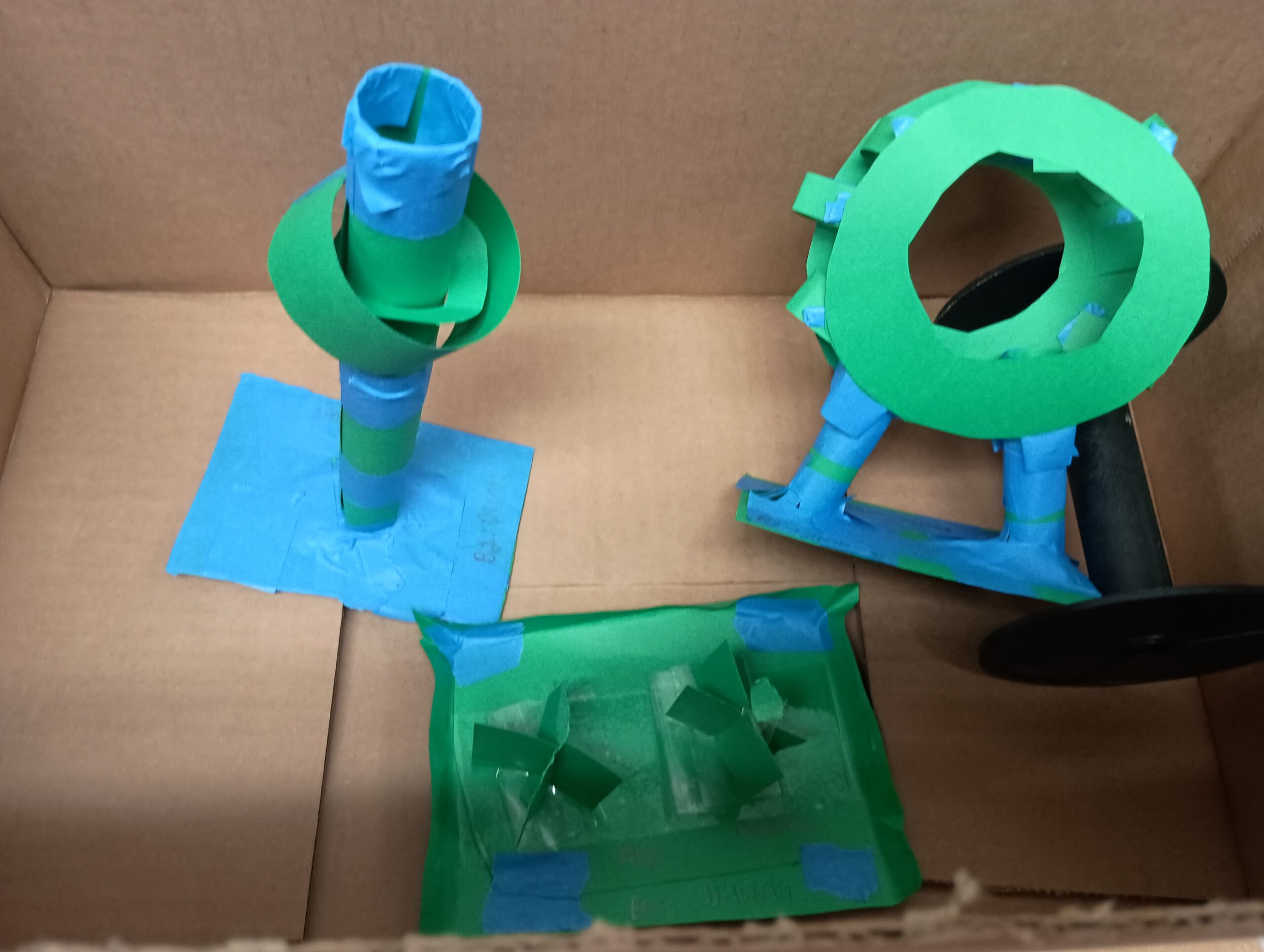
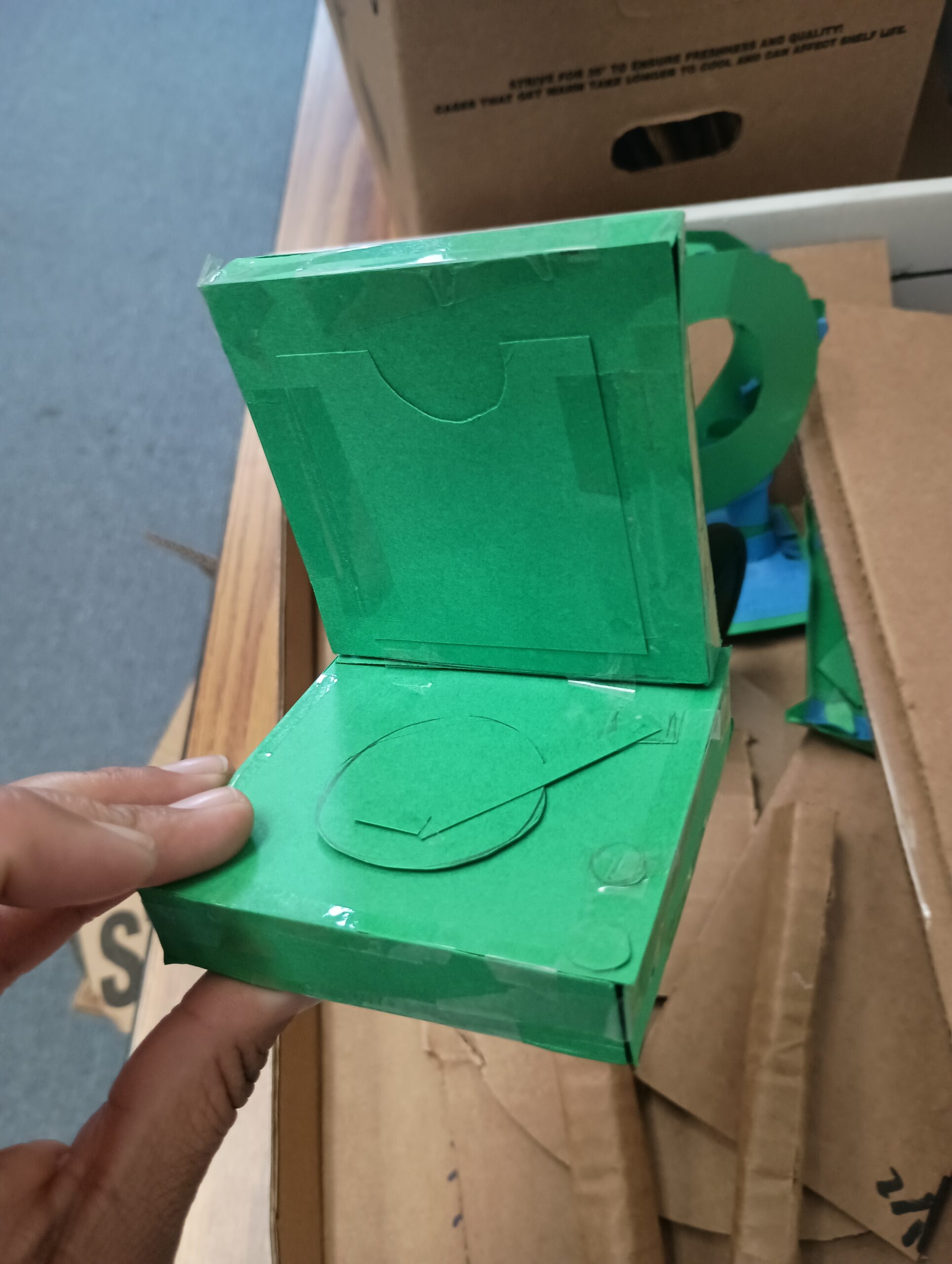
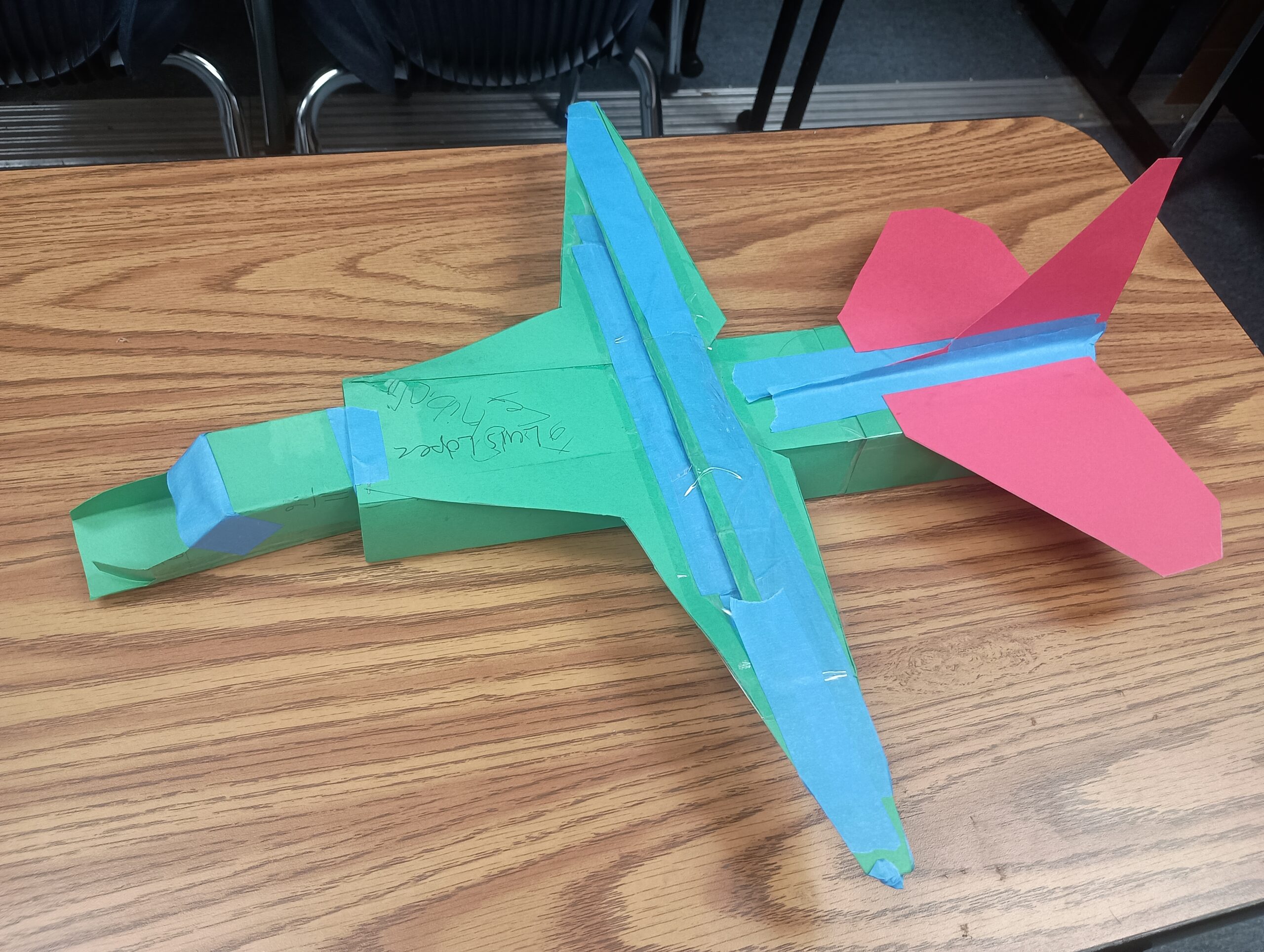
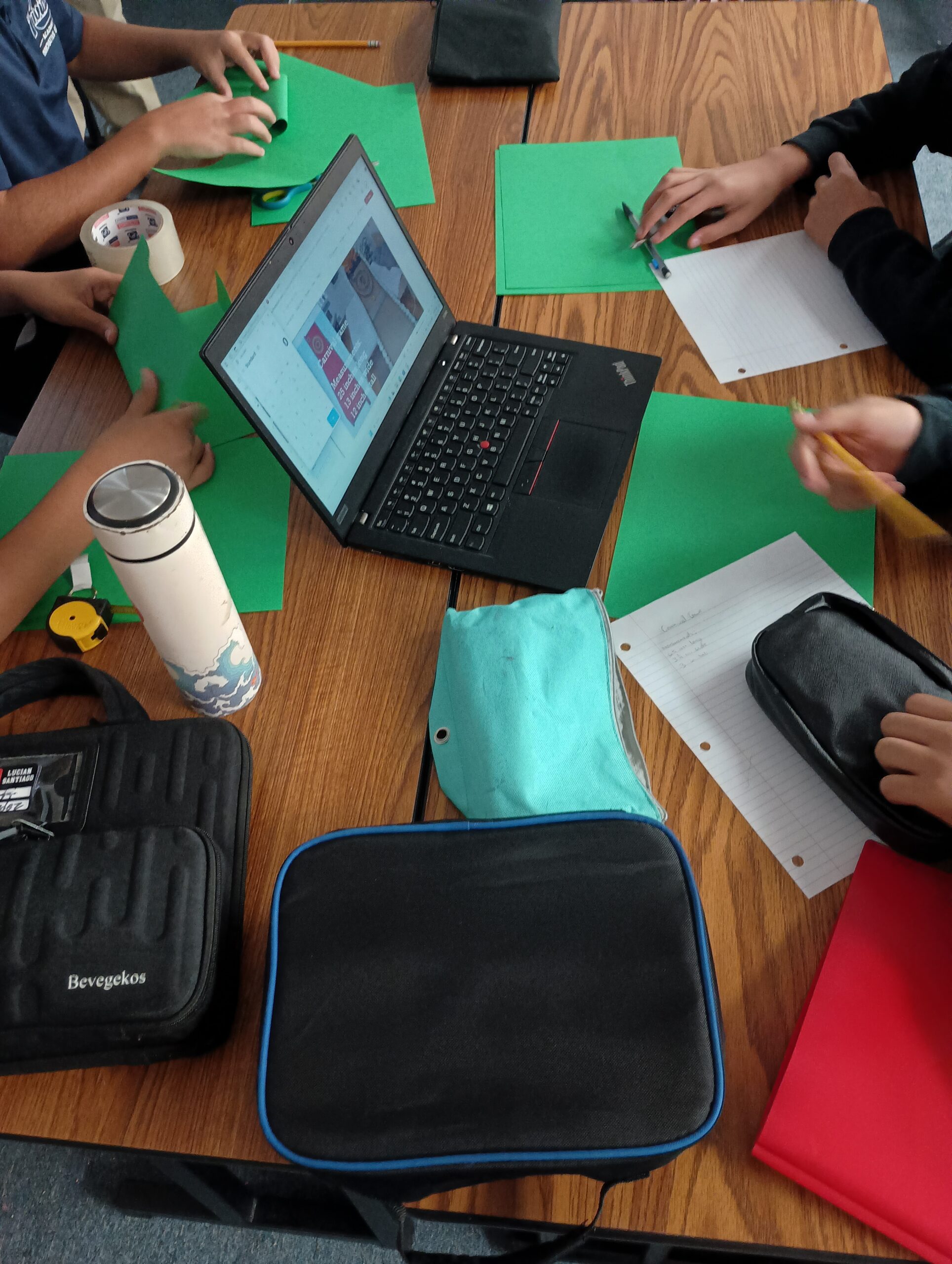
In all this, I must say that I had a blast making a mess of my room, making sure that I had enough cardboard for 45 students. Then came the question of how the cardboard was going to be cut. My initial resort was to a company called Makedo: a great company inspired to make children’s tools for cutting and working with cardboard in a safe fashion. The pros in this kit were the cardboard screws and screwdrivers, which were a boon for the students to connect the cardboard together and to have opportunities to create moving components. The downside was the cutting implements; great for very young children, but not for middle schoolers who wanted to have cleaner cuts. I had to go to administration, got clearance to order 16 box cutters and send permission slips home to get clearance from parents to allow their children to use said box cutters. Tape measures, rulers, saws, glue sticks and glue guns were bought for this project. By November 7th, the end result let to over 70 projects on display for STEAM night at the upper school that I worked at.
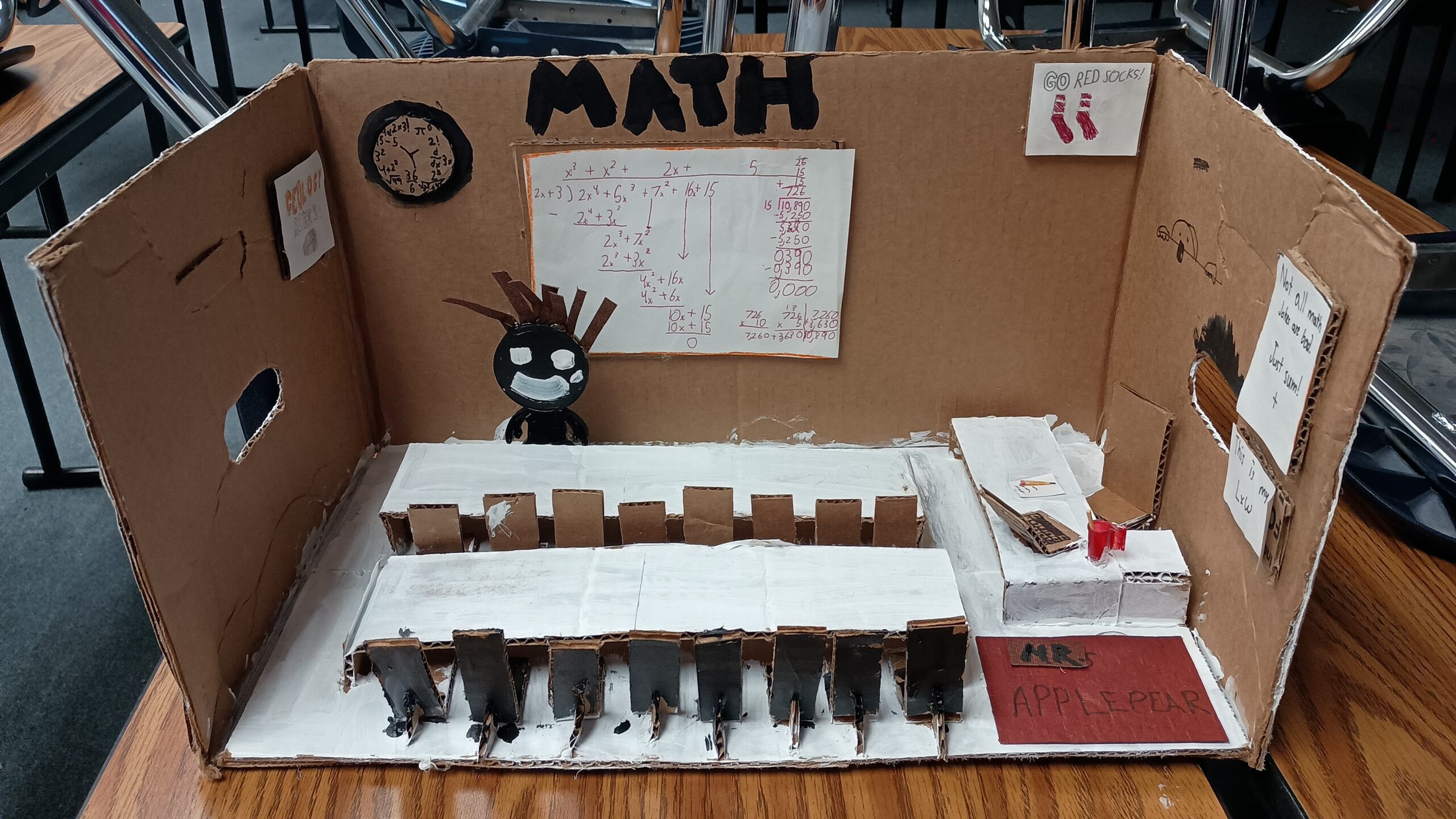
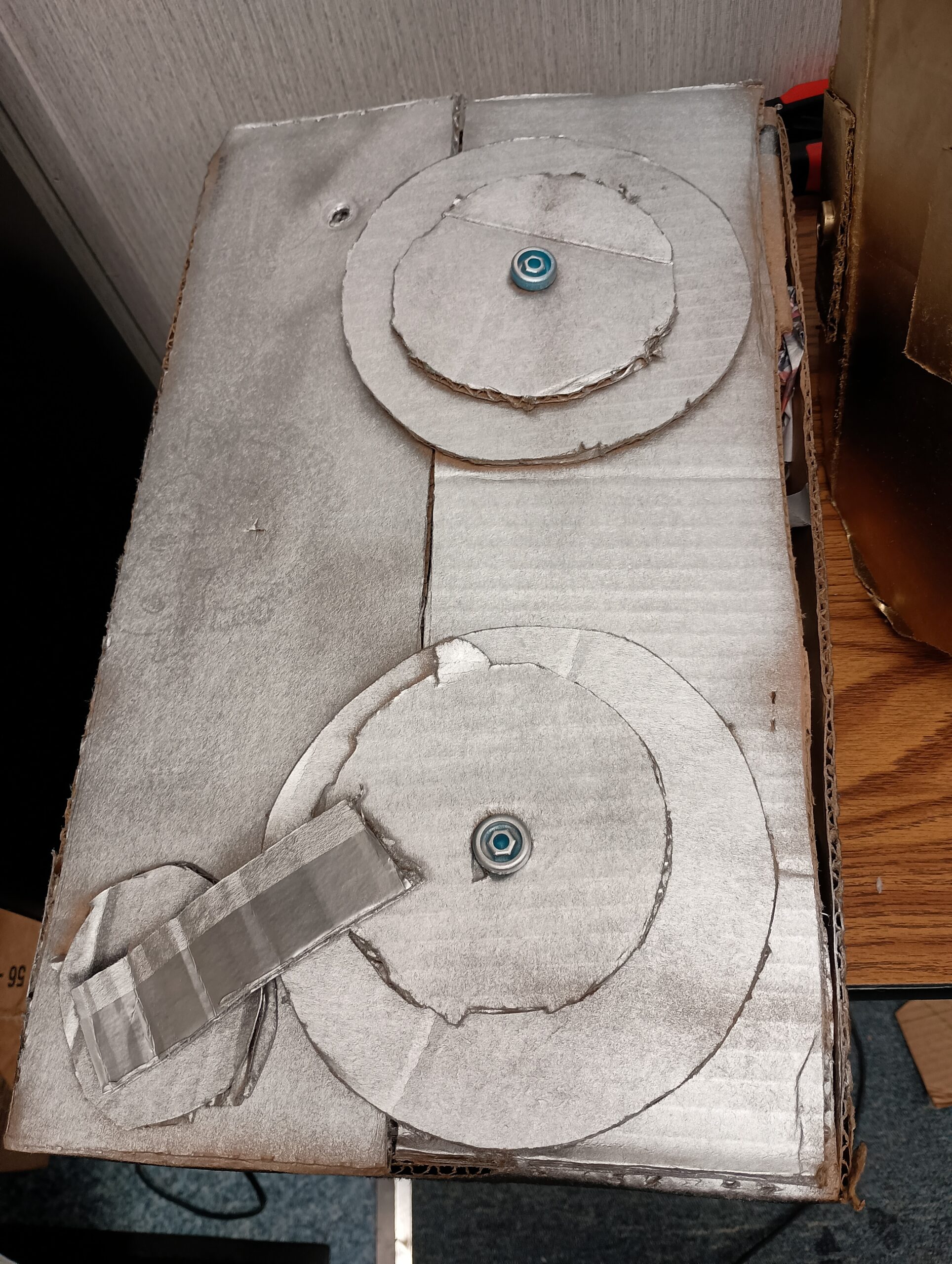
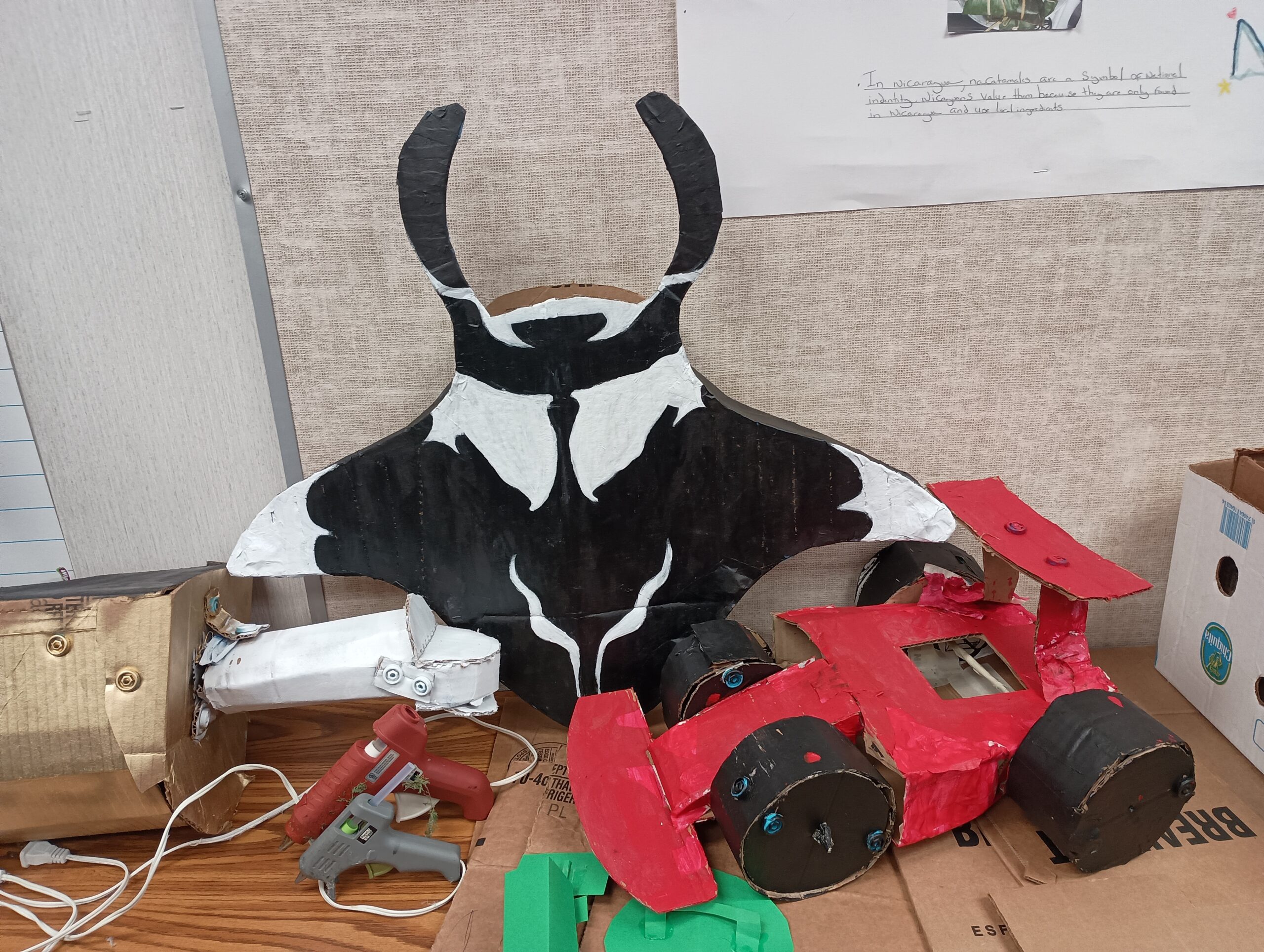
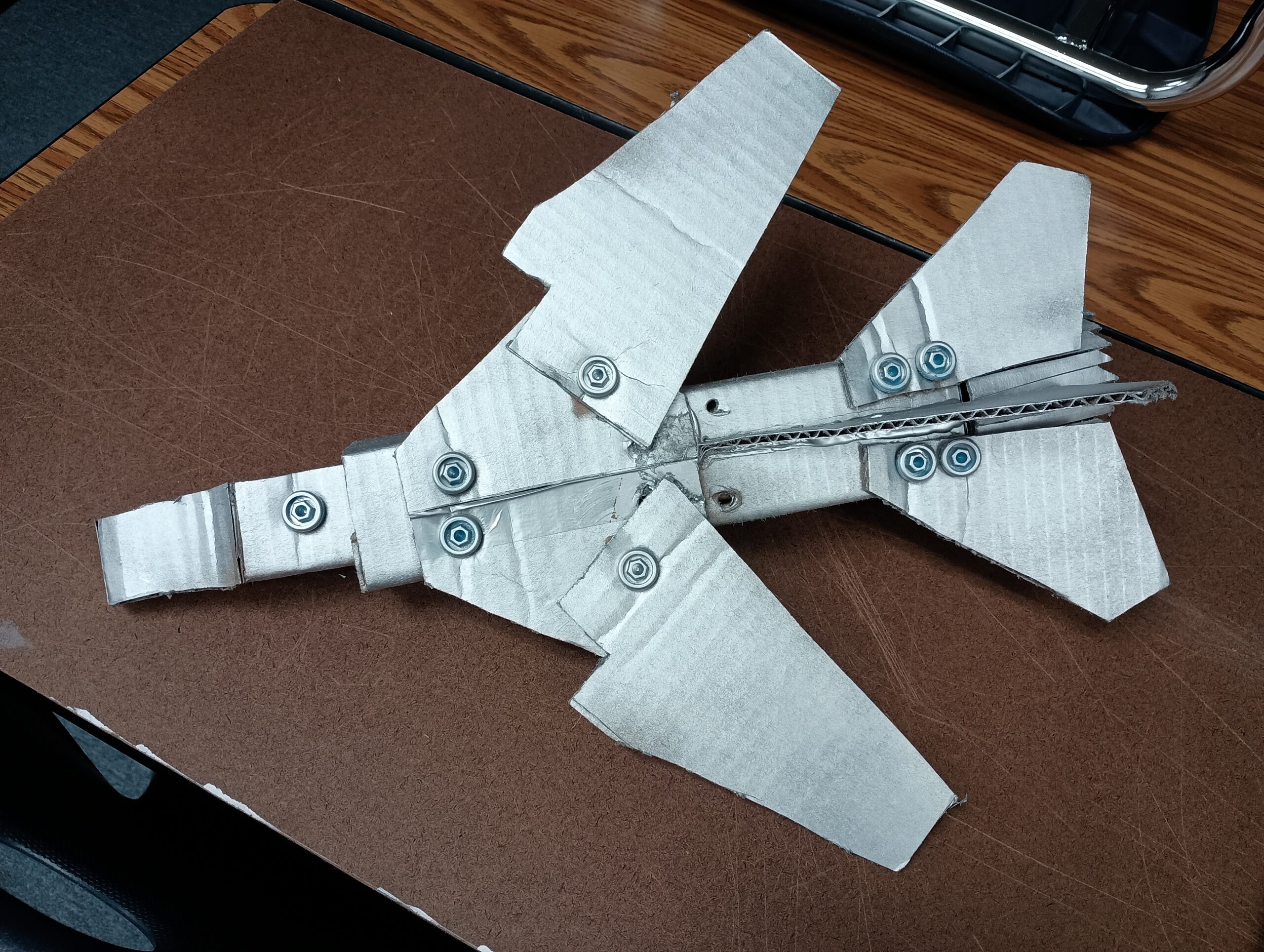
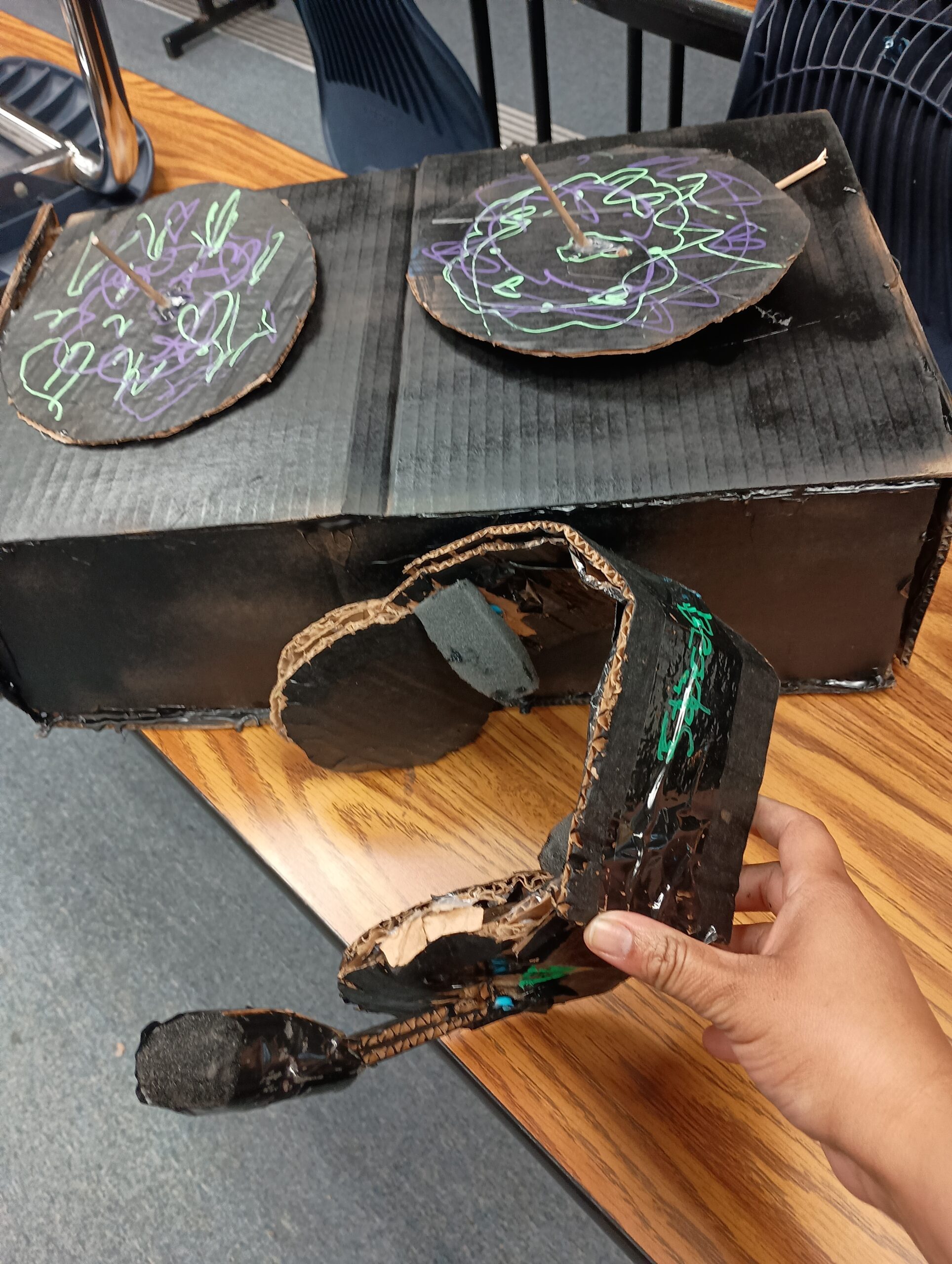
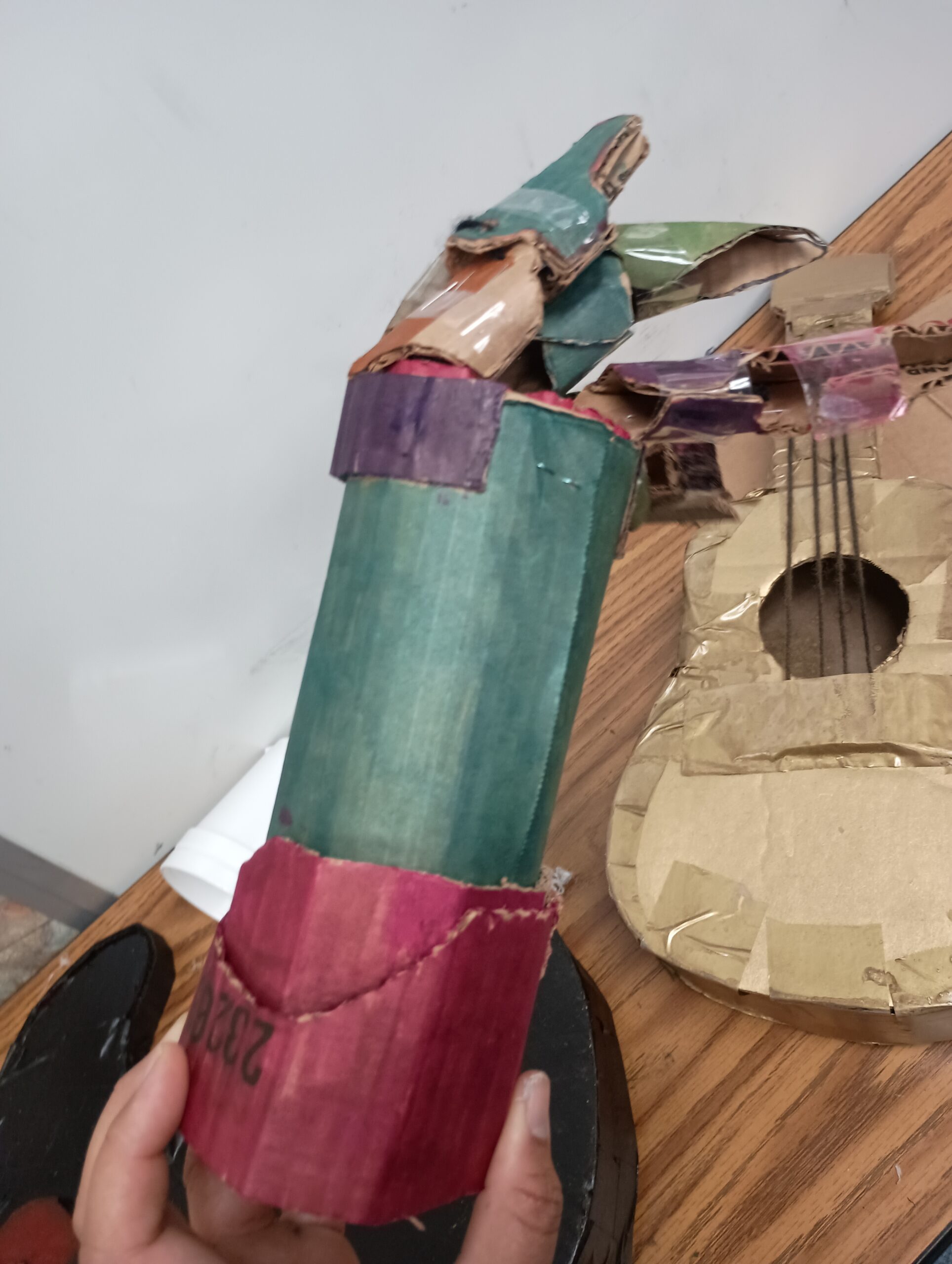
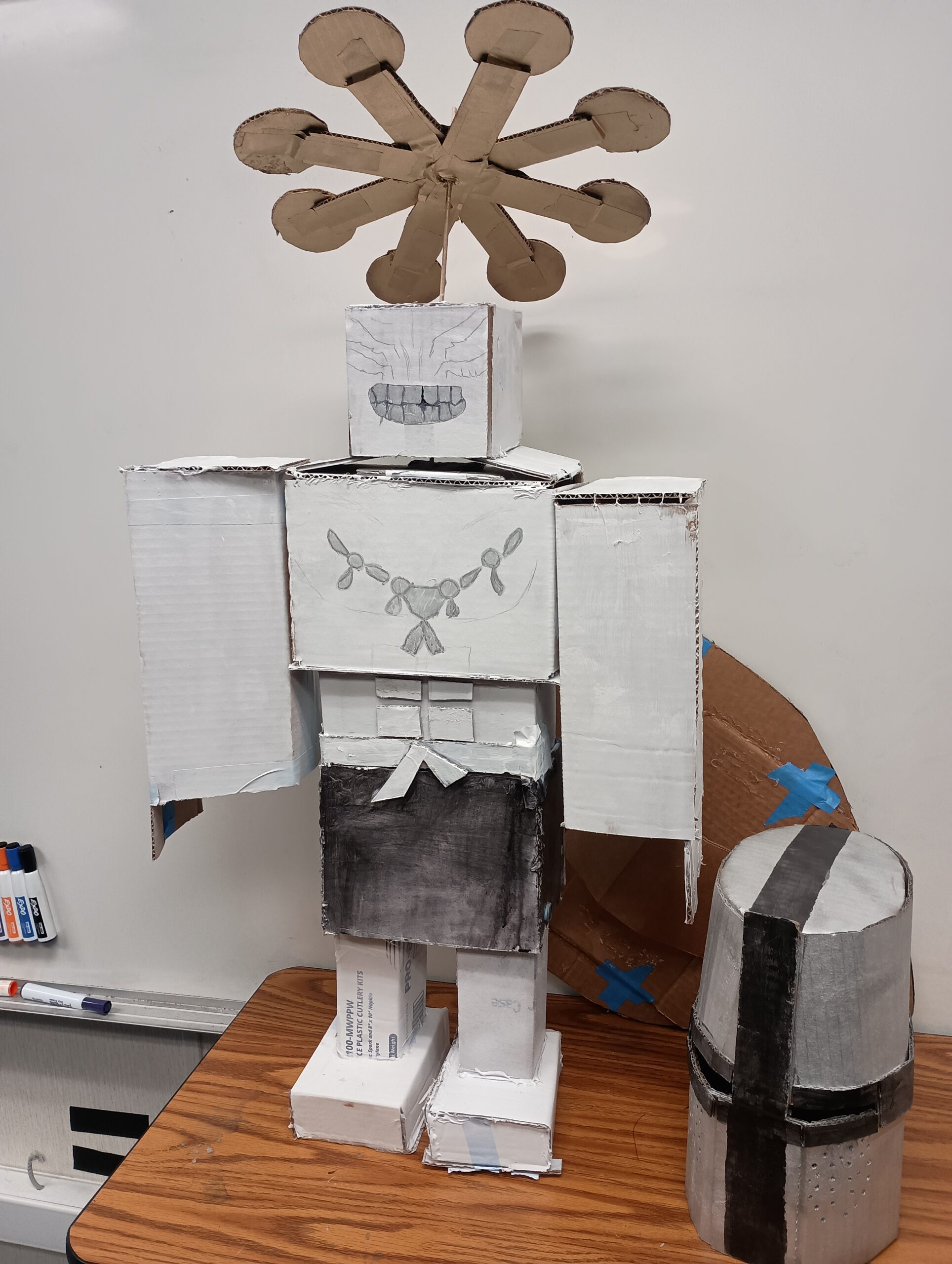
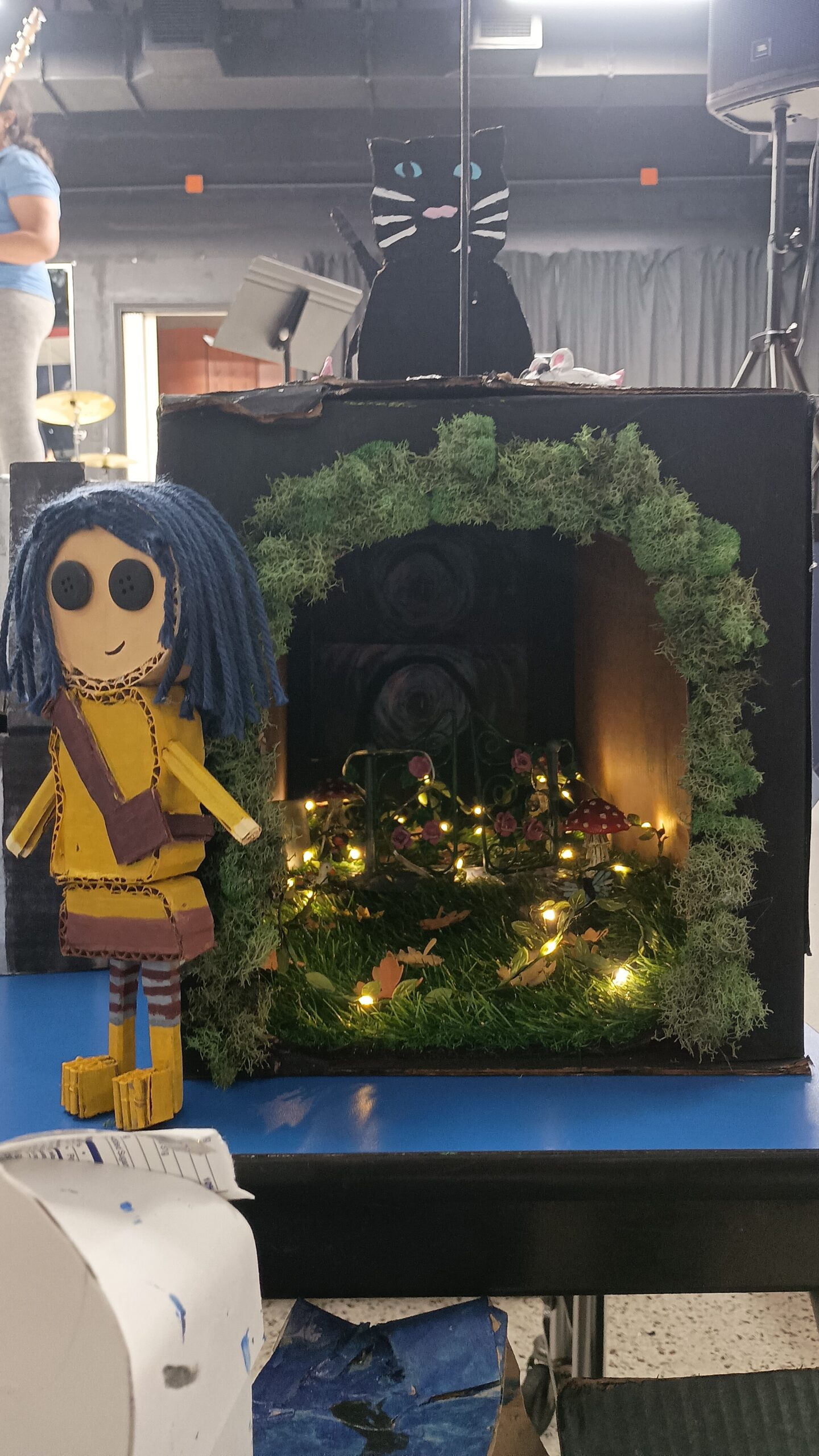
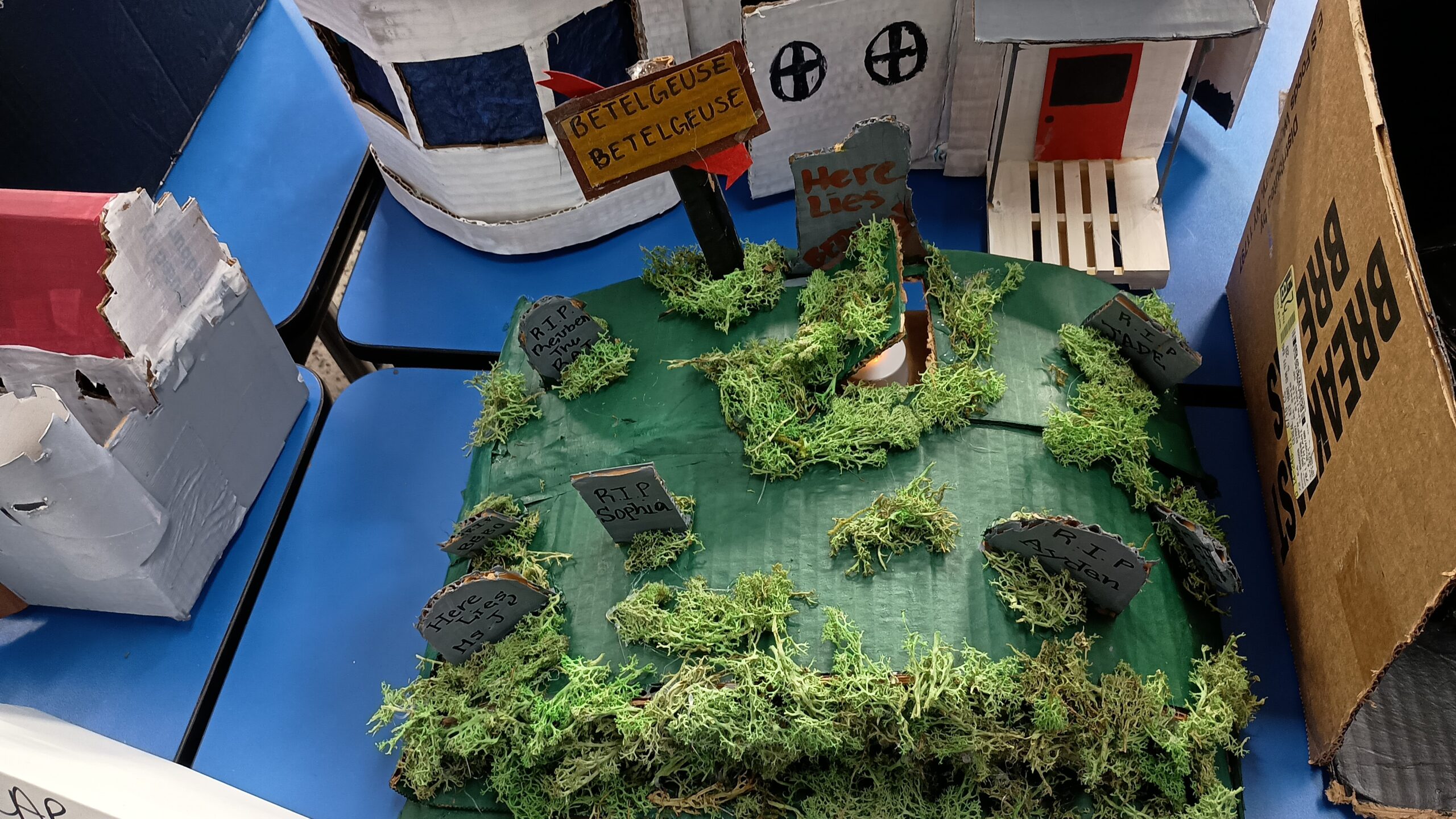
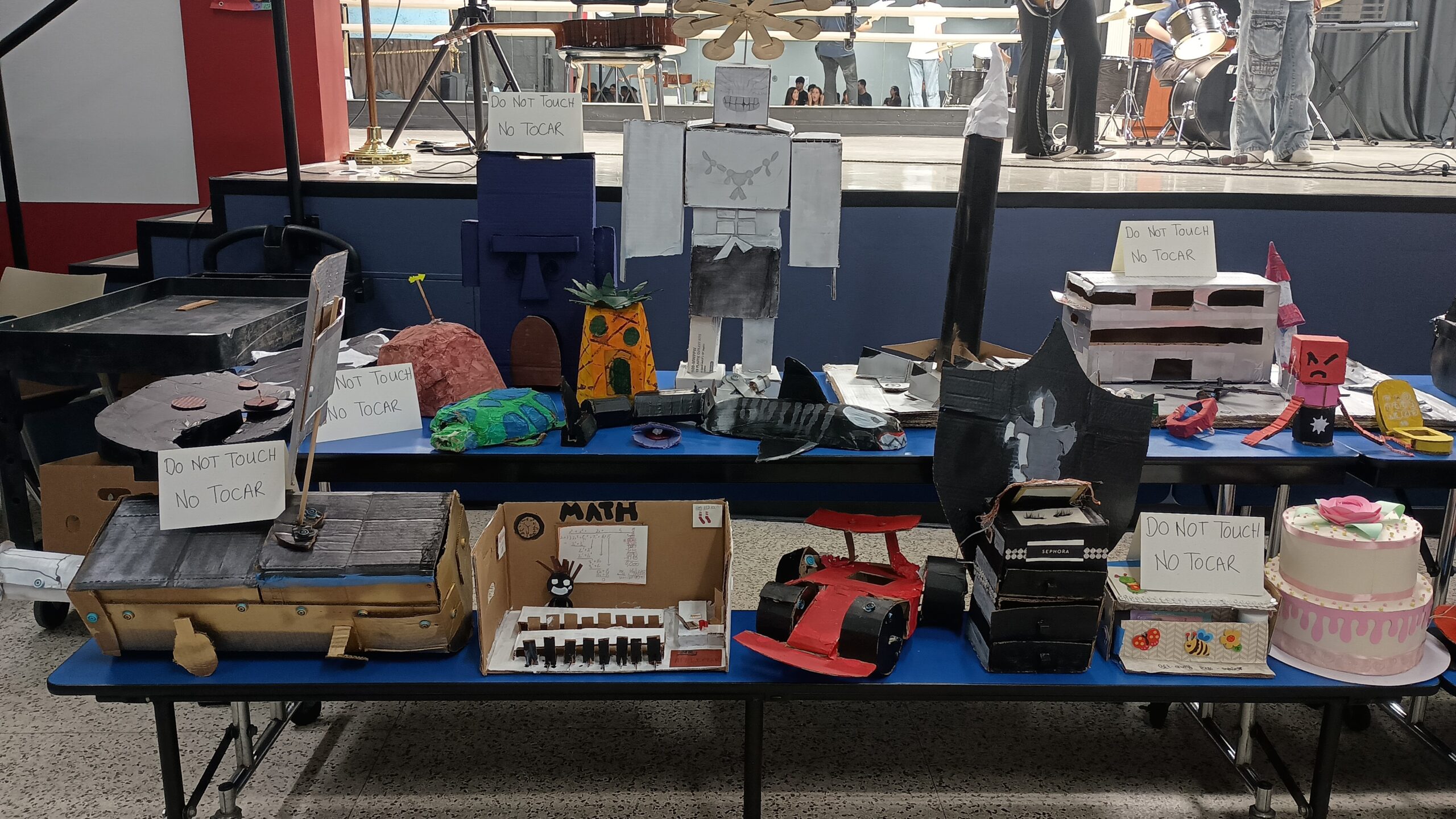
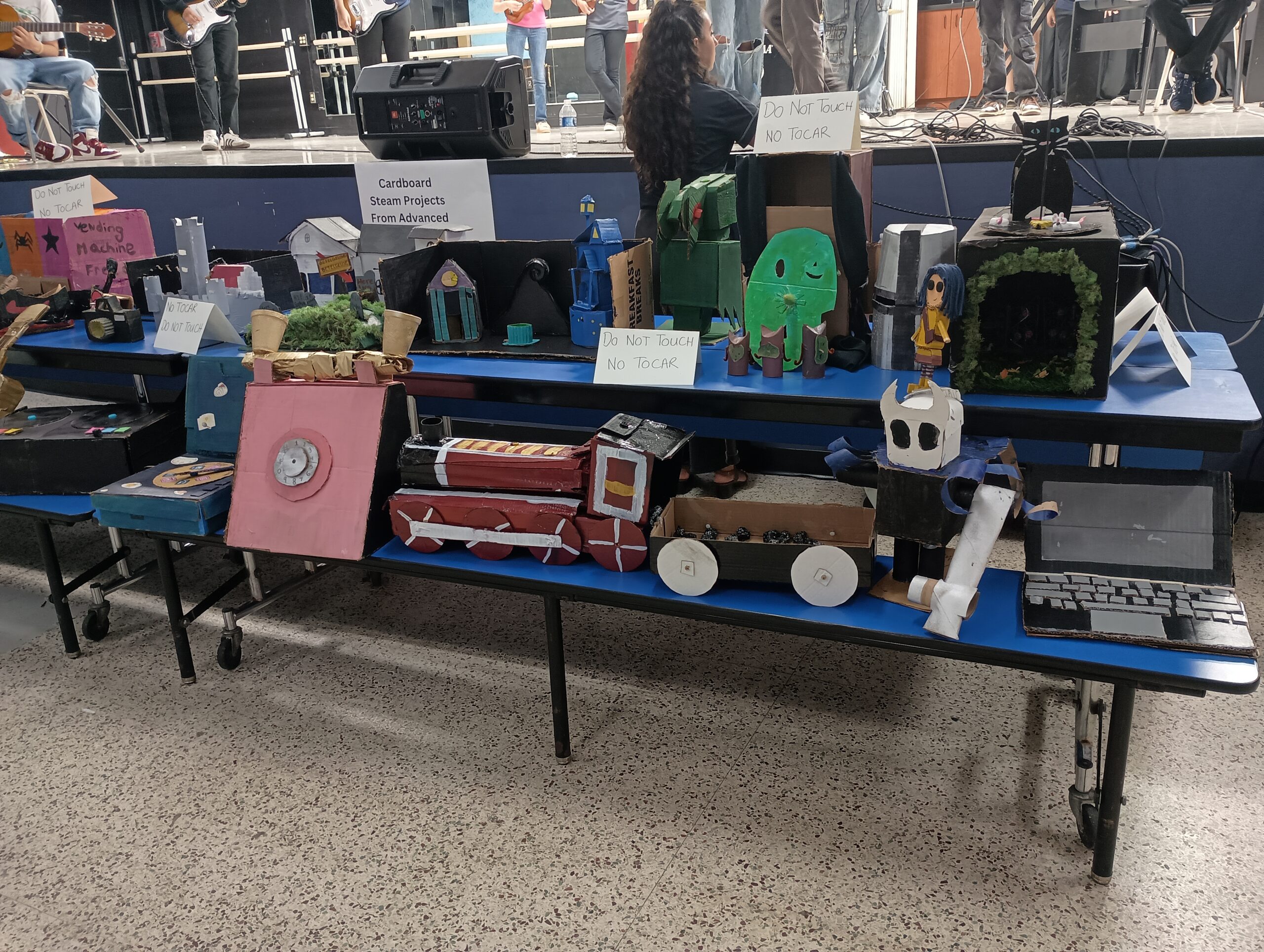
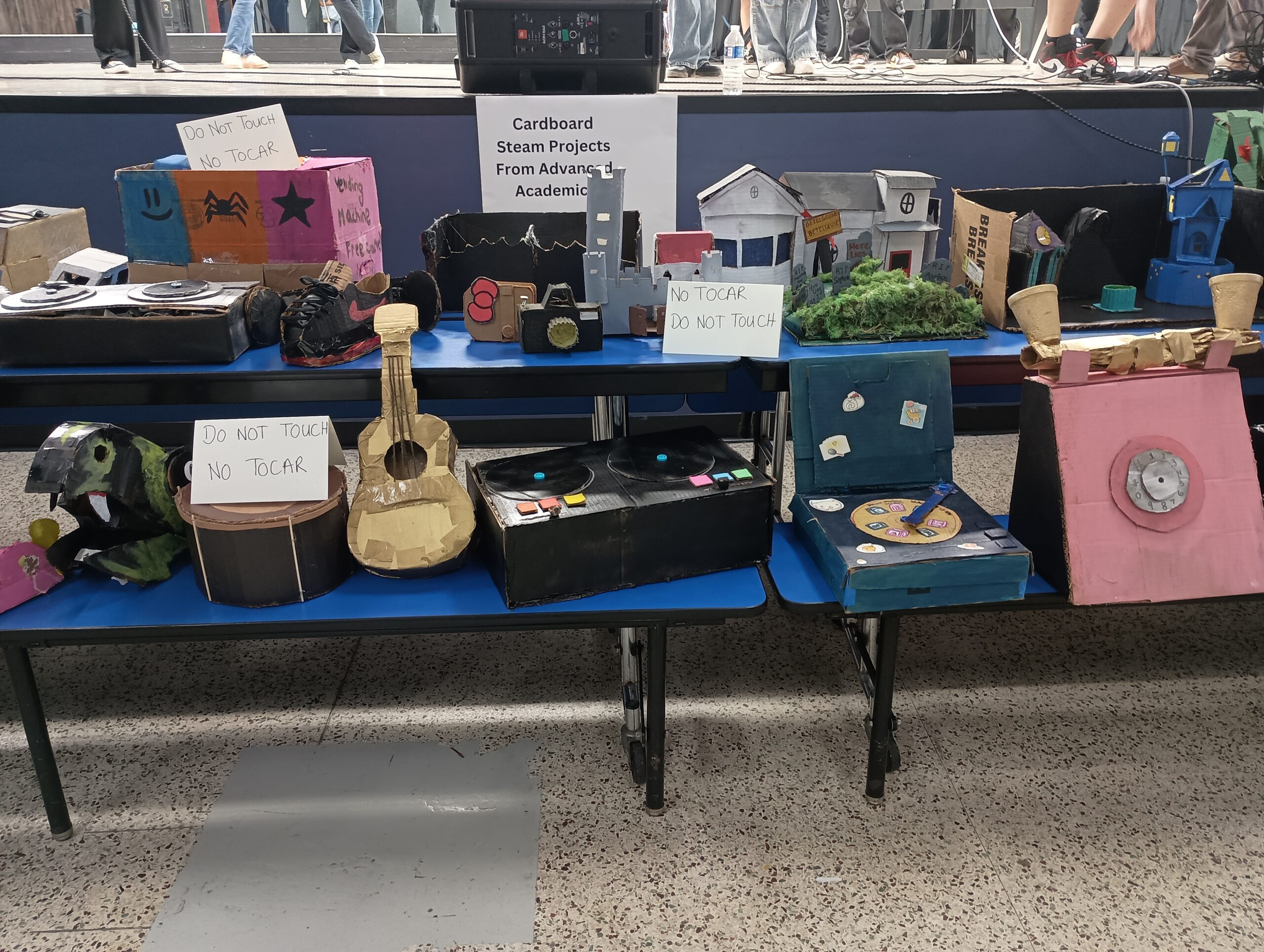
The students though glad that the project was over, was proud to see the work that they did from beginning to end. The students grew in their problem solving skills, motor skills and their creativity. I also learned in the process to trust that the students will be ok even with relinquishing a bit of control and not micromanaging the entire process. Even for myself I learned a new avenue of creativity that I hope to apply to my own practice as I grow as an artist.
 Follow
